Lineage
Every technique we teach traces back through three generations of instructors to the earliest days of jiu-jitsu in Brazil — a line built outside the Gracie academy, in public parks and back rooms, by people who believed the art belonged to everyone.
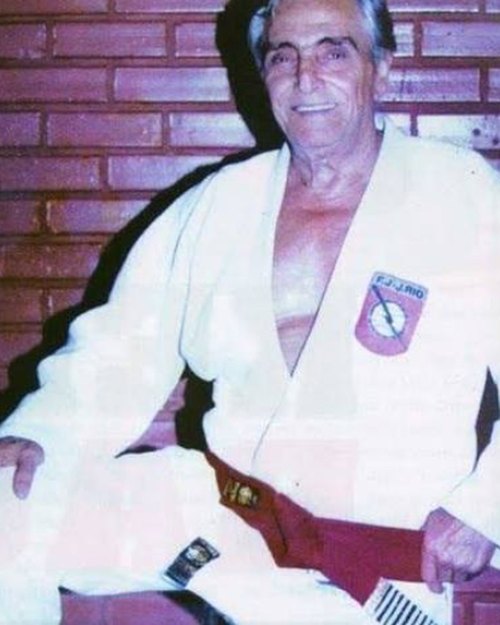
Oswaldo Fadda
1920 – 2005Fadda began training under Luiz França at seventeen while serving in the Brazilian Marines, earning his black belt around 1942. At a time when jiu-jitsu tuition was priced for Rio's elite, Fadda taught for free in public parks, beaches, and church courtyards, opening his own academy in 1950 in the working-class suburb of Bento Ribeiro.
His students became known for their mastery of footlocks — techniques the Gracie academy largely dismissed. In 1955 and again in 1956, Fadda's academy challenged and defeated Gracie-trained fighters in public matches, proving jiu-jitsu could thrive far outside its original walls. He was posthumously awarded the rank of 10th-degree red belt in 2014.

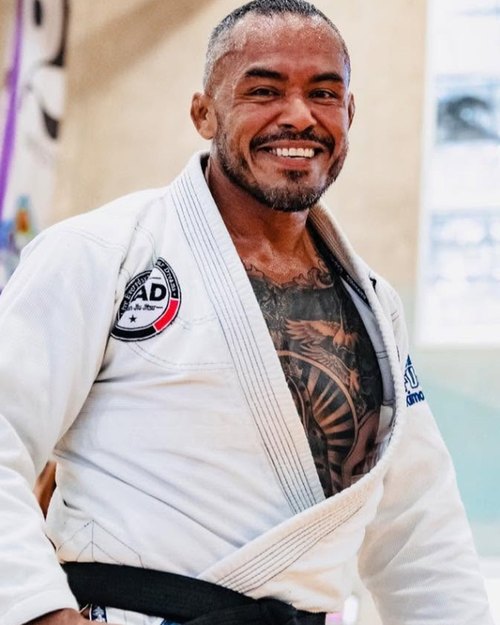
Bruno Bastos
Born 1980Bruno Bastos began training at ten years old in 1990, moving through several coaches before training under Wendell Alexander from 1993 all the way to his black belt. He built a decorated competitive record as a member of Nova União, winning IBJJF No-Gi World, Pan American, and European titles, and competing twice at ADCC.
In 2005 he founded Arte Suave, a program using jiu-jitsu to keep at-risk kids off the streets, before relocating to the United States to teach — first in Dallas, then building Bastos BJJ in Midland, Texas into a nationally ranked academy. He now holds the rank of 5th-degree black belt.